Go back
Making Small Spaces Actually Work
Compact homes are becoming a deliberate lifestyle choice, not just a budget compromise. With the right approach, a smaller space can feel more functional and comfortable than a larger one.


James Harlow
Senior Property Consultant
Life Style
The Shift in What People Want
The assumption that bigger is better is losing ground. A growing number of buyers — particularly in urban markets — are actively choosing smaller, well-located homes over larger properties that require more commuting, more maintenance, and more stuff to fill them.
Design Principles That Make the Difference
Light First
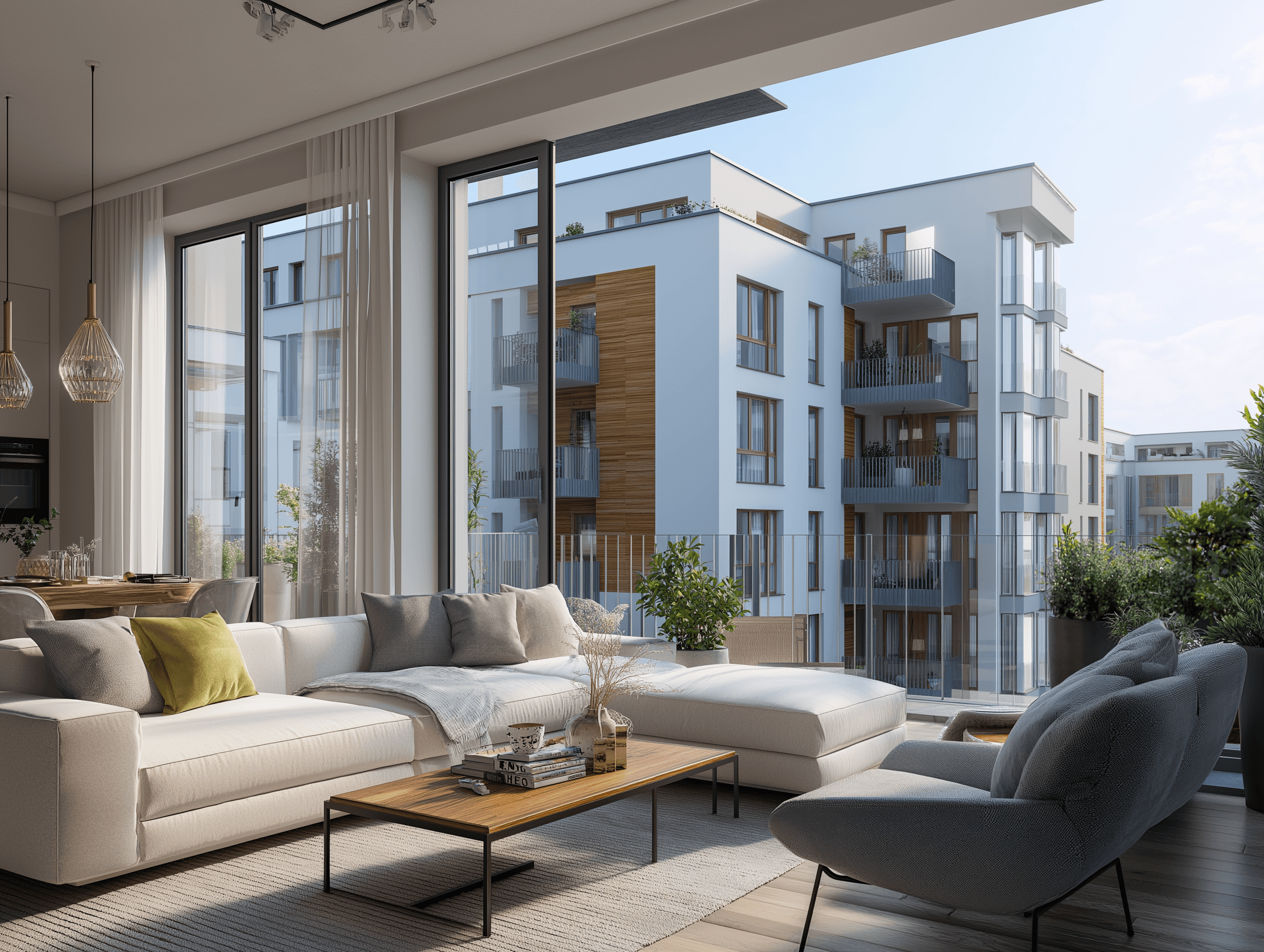
Natural light is the single most effective tool for making a space feel larger. Prioritize windows, avoid heavy curtains, and use mirrors strategically to reflect light into darker corners.
Scale Everything Correctly
Oversized furniture in a small room makes the room feel smaller. Every piece should be proportionate — not miniature, just appropriately sized for the space it occupies.
Go Vertical
Floor-to-ceiling shelving, tall cabinets, and art hung higher than feels instinctive all draw the eye upward and make ceilings feel taller than they are.
Storage Is a Design Problem
In compact homes, storage can't be an afterthought. Built-in shelving, under-stair compartments, bed frames with drawers, and modular furniture systems turn dead space into functional space. The goal is organization that disappears into the design — not a collection of visible bins and baskets.